
One philosophy. Two programs.
Business Savvy.Better decisions. Stronger results.
We help employees at every level understand how their daily decisions drive margin, cash, growth and engagement, so they can set their own goals and act like entrepreneurs.
Discuss your organization§ 01 — Choose your program
A shared business language, shaped around your organization.
EPC(M), engineering & project organizations
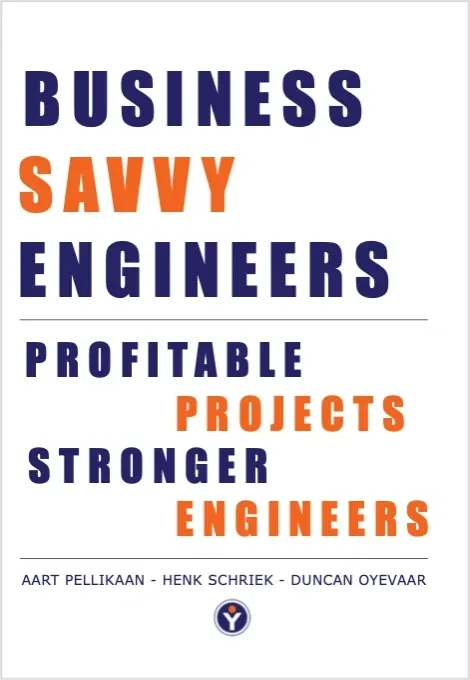
Business Savvy Engineers
Win the contract. Protect the profit. Build the commercial capability to connect technical delivery to scope, margin, cash and client value.
Explore EngineersCross-functional teams & organizations
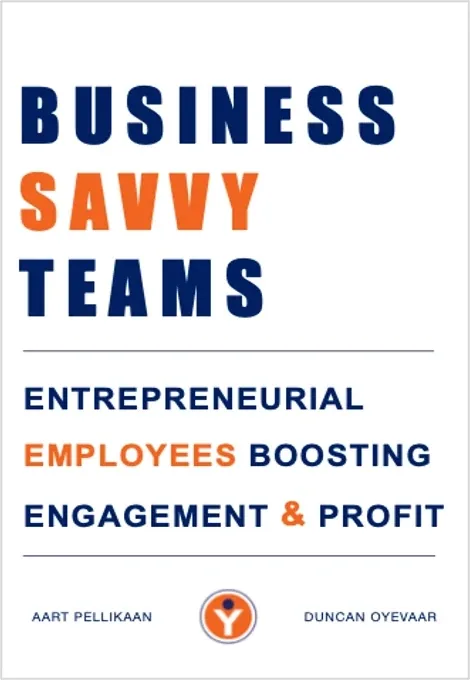
Business Savvy Teams
Build financial literacy and a common language that helps every function connect daily work to strategy, business results and entrepreneurial behavior.
Explore Teams§ 02 — Four capabilities
Business Savvy is not a single skill.
Four ways of seeing the business help people make better decisions and create better outcomes together.
Strategic Thinking
Spotting opportunities and connecting daily work to where the business is headed.
Financial Insight
Making the numbers practical by showing how actions shape profit, cash flow, and growth.
Client Intimacy
Understanding and anticipating what clients actually need, not just what they ask for.
Operational Excellence
Turning plans into disciplined execution so commercial intent survives delivery pressure.
Every 100-day cycle, we measure how Business Savvy behavior is shifting across all four capabilities, so you can see change in daily practice.

§ 03 — In practice
Business Savvy shows up where decisions are made.
Trade-offs in the open, practical goals and everyone speaking the same language about margin, cash and growth.
How the 100-day Program works§ 04 — Evidence & trust
52%
profit growth for organizations with high Business Savviness, versus 23% average and 3% for the bottom quartile.
Source: Harvard research
“We had capable, hardworking teams, but with a real gap between daily decisions and business impact. Business Savvy Teams closed that gap, and gave us as leadership a clearer mirror on how well we were communicating priorities.
What surprised us most was the effect on our people, not just their decisions: more ownership, faster growth, and a real shift in engagement and the bottom line.”
Trusted by teams at







§ 05 — Supporting resources
Explore the ideas in your own time.
Books, podcasts and assessments support both programs without replacing a conversation about your organization.
Your next step
Which program fits your organization?
Tell us what you want to improve. We will help you choose a practical starting point.